Japan Earthquake Today: Alerts, Recent Events & Safety Guidance
A sudden spike in searches for “Japan earthquake today,” “tsunami warning Japan,” and “Japan alert system” followed the strong December 2025 seismic event that triggered temporary coastal warnings. With real-time alerts circulating online, people want to know what actually happened, why these events occur so often in Japan, and whether they should be concerned right now.
This article breaks down the verified facts, why the topic is everywhere today, and what these alerts really mean for you — whether you’re in Japan, traveling, or simply following the news.
What Has Actually Happened (Verified Updates)
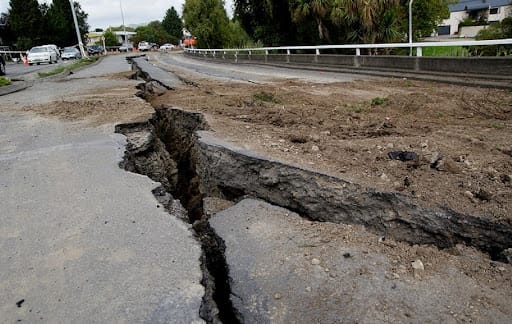
Japan’s Meteorological Agency (JMA) confirmed a significant offshore earthquake in December 2025, followed by short-duration tsunami advisories for select coastal regions. Most advisories were lifted quickly, and no large destructive waves were recorded.
Here’s what’s confirmed:
- Strong seismic shaking was observed in multiple prefectures
- Temporary tsunami advisories were issued out of caution
- Coastal residents received J-Alert notifications and EEW alarms
- Transportation delays and brief service interruptions occurred
- No widespread structural damage has been reported so far
- No mass-casualty event has been confirmed
What’s not confirmed:
- There is no verified ongoing tsunami threat
- There is no indication of a larger “megaquake” underway
- Social media claims of massive damage are unverified
- Viral videos of “incoming waves” are mostly unrelated or old footage
Put simply:
A strong quake happened, alerts worked as designed, and conditions stabilized quickly.
Why This Is Trending Right Now
Three forces made this event explode across search trends:
1. Real-Time Alerts Hit Everyone at Once
Japan’s Earthquake Early Warning (EEW) system pushes instant notifications to phones, TV broadcasts, trains, and public speakers — meaning millions receive alerts simultaneously. This always triggers a massive search spike.
2. Social Media Amplification
Short clips of shaking rooms, train announcements, and emergency sirens spread rapidly. Even when the event is moderate, the perception becomes global.
3. Tsunami Anxiety
Japan’s history with major tsunamis makes any advisory — even a small one — trigger heightened public interest and concern.
Even a minor alert creates a global “what’s happening?” moment.
Why Japan Gets So Many Earthquakes
Japan sits on the convergence of multiple tectonic plates, making it one of the world’s most seismically active countries. Earthquakes are frequent, but Japan’s infrastructure is specifically engineered to withstand them.
Japan has:
- One of the world’s most advanced earthquake monitoring systems
- Strict building codes designed to reduce collapse risk
- Nationwide automatic alerts (EEW + J-Alert)
- High public awareness and preparedness
Earthquakes in Japan are common — major damage is not.
What This Means If You’re in Japan Right Now
You do not need to panic, but you should stay aware.
If Shaking Begins
- Drop, cover, and hold on
- Stay away from windows or falling objects
- Protect your head
If You Are Near the Coast
Follow local instructions. Japan’s tsunami advisories are conservative by design — issued early and removed quickly.
If Alerts Sound But You Don’t Feel Shaking
That’s normal. The EEW can reach some people who feel nothing, depending on distance from the epicenter.
If Traveling in Japan
Expect:
- Delayed trains
- Temporary airport or ferry slowdowns
- Increased announcements in stations
- Possibly minor aftershocks
No major disruption is currently expected.
What to Watch Next
These are the only factors worth monitoring:
- Official JMA updates
- Any escalation of tsunami advisories
- Aftershock forecasts
- Transportation service bulletins
- Local government announcements
What you don’t need to follow:
- Viral “prediction” threads
- Sensationalized damage rumors
- Old videos reposted as new
If JMA or local authorities announce something meaningful, it will be clear, official, and widely reported.
FAQ — Japan Earthquake & Tsunami Alerts (2025)
Is there a tsunami warning in Japan right now?
Current advisories have been lifted or downgraded. No major tsunami threat is active.
Why did my phone alert even though I felt nothing?
EEW is based on seismic waves detected before shaking reaches you. Sometimes alerts reach regions where shaking is minimal or unfelt.
Should tourists be worried?
No. Japan’s infrastructure and communication systems are exceptionally prepared for earthquakes.
Does this mean a bigger earthquake is coming?
There is no scientific basis for predicting large quakes from individual events. Aftershocks may occur, but major escalation is not expected.
Why do earthquake-related searches spike so fast?
Because alerts reach millions instantly — all looking for the same confirmation at once.
Part of the Insights Trends Explained series.
→ View the full index of social and cultural search spikes.
✅ Sources & References
[1] Reuters – Reporting on December 2025 Japan earthquake, tsunami warnings, evacuations, and observed wave heights.
[2]National Geographic – Analysis of Japan’s megaquake advisory system and long-term seismic risk.
[3] Japan Meteorological Agency (JMA) – Official authority on Earthquake Early Warning (EEW), seismic intensity scale, and tsunami advisories.
[4] Progress in Earth and Planetary Science (SpringerOpen) – Peer-reviewed research on earthquake detection physics and EEW lead times.
[5] National Center for Biotechnology Information (NCBI) – Scientific studies on multi-wave tsunami behavior and coastal surge dynamics.
[6] University of Tokyo – Safety & Disaster Preparedness Division – Earthquake frequency data and public emergency guidance.
[7] Voyapon / Japan Travel Safety Guides – Public earthquake and tsunami response behavior education.