Short Trigger Intro (Search Spike)
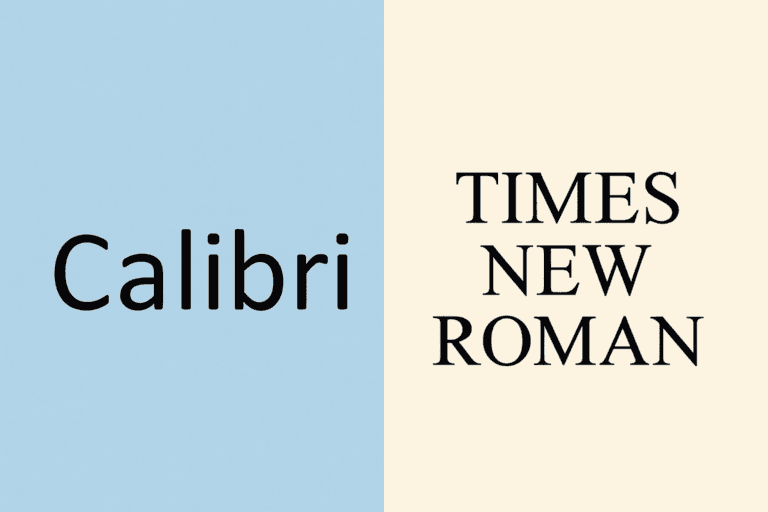
Searches for “Calibri font”, “State Department font change“, “Calibri for Times New Roman” and “Times New Roman vs Calibri” have surged over the past 48 hours after multiple major news outlets reported that the U.S. State Department is officially abandoning Calibri and returning to Times New Roman for all diplomatic communications. Here’s what’s actually confirmed, what’s still unknown, and why this is trending right now.
What’s Actually Confirmed (Reality Check)
Here’s what is officially confirmed so far:
✅ The U.S. State Department has formally switched from Calibri back to Times New Roman.
An internal memo announced that all official communications will revert to Times New Roman, reversing the department’s 2023 modernization move.
✅ The memo cites accessibility and DEI-related readability concerns.
According to reporting, some officials raised issues about Calibri’s legibility for individuals with specific accessibility needs — prompting the return to serif fonts.
✅ Marco Rubio’s prior criticism of Calibri resurfaced as the news broke.
Coverage highlighted that Rubio had previously mocked Calibri’s use in official government work, contributing to the renewed political attention.
✅ Major media outlets amplified the story quickly.
New York Times, The Washington Post, ABC News, and others all published within hours, accelerating search volume.
What’s Still Unknown
❓ Whether accessibility concerns were the primary driver.
While cited, it’s unclear whether accessibility issues alone triggered the policy reversal.
❓ Whether Rubio’s commentary influenced the decision.
No official source confirms political pressure played a role.
❓ Whether other federal agencies will follow the switch.
As of now, only the State Department has announced a change.
If you’re seeing posts claiming the “entire U.S. government banned Calibri,” those claims are speculative. Only the State Department’s directive is confirmed.
Why This Is Trending Right Now
Several forces are driving the sudden spike in interest:
1. A bureaucratic decision collided with political commentary.
Font choices aren’t usually controversial — so Rubio’s remarks and the DEI-readability angle made the story instantly shareable.
2. Novelty effect: fonts rarely become national headlines.
Any mundane item turned into a government controversy tends to ignite curiosity spikes.
3. High-profile outlets published within minutes of each other.
Simultaneous reporting across NYT, ABC, and WaPo amplified the story.
4. Calibri has a history of going viral in scandals.
Public memory of the 2017 Pakistan case — where Calibri was used in allegedly forged documents — resurfaces every time Calibri is in the news.
What This Means for You
- Writers, lawyers, government contractors, and policy staff may need to update templates.
- Serif fonts like Times New Roman may see a resurgence in institutions that prioritize readability or formality.
- Expect renewed debate over digital vs traditional typography standards.
Should You Act or Wait?
Act now if:
- You create or submit documents to the State Department.
- Your organization syncs design standards with federal agencies.
Safe to Wait if:
- You work outside diplomacy — nothing in the change affects the general public.
What to Watch Next
- Whether other agencies follow the State Department’s shift.
- Whether accessibility guidelines evolve to favor serif vs sans-serif fonts.
- Whether media or political commentary keeps the story alive for another news cycle.
FAQ
Why did the State Department stop using Calibri?
The internal memo cited accessibility and readability concerns, especially for individuals with specific visual needs.
Is this a government-wide ban on Calibri?
No. Only the U.S. State Department has confirmed the change.
Did Marco Rubio cause this?
His comments resurfaced, but there is no confirmation that he influenced the decision.
Is Times New Roman more accessible than Calibri?
Some users find serif fonts easier to read at smaller sizes, but accessibility preferences vary.
Is Calibri being discontinued?
No. This is not related to Microsoft’s decision to retire default fonts — Calibri remains widely supported.
Part of the Insights Trends Explained series.
→ View the full index of social and cultural search spikes.