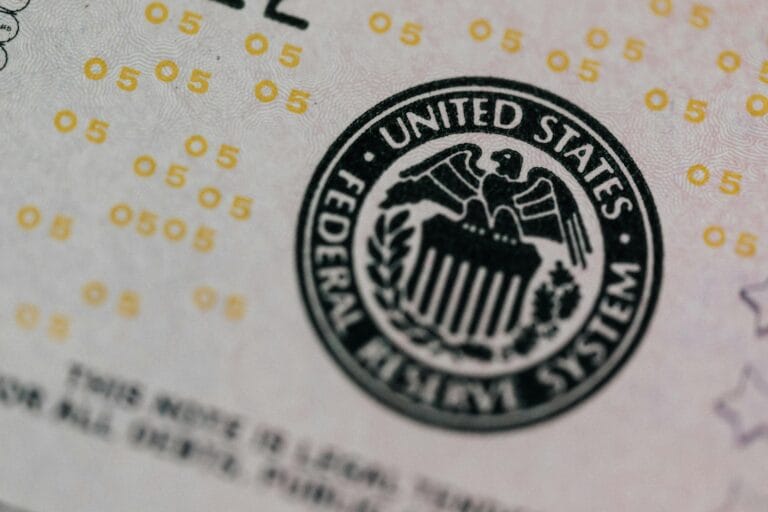
Searches for “Fed interest rate cut 2025,” “interest rate cuts today,” and “mortgage rates after Fed decision” have surged in recent days after the Federal Reserve announced another rate cut. Here’s what’s actually confirmed, what’s still unknown, and why this is trending right now.
✅ What’s Actually Confirmed (Reality Check)
Here’s what is officially confirmed so far:
✅ The Federal Reserve cut its benchmark interest rate by 0.25 percentage points.
✅ This is part of a broader shift toward easing monetary policy after prolonged high inflation.
✅ The federal funds target range is now lower than it was earlier this year, signaling a softer stance on borrowing.
⚠️ These facts are consistent across major financial outlets and the Federal Reserve’s official release. (Verified via Federal Reserve communications and mainstream financial reporting.)
⚠️ What’s Still Unknown
❓ How many additional rate cuts will occur in the next 6–12 months
❓ Whether inflation will stabilize fast enough to justify continued easing
❓ How quickly banks will pass savings to consumers
If you’re seeing posts claiming “multiple guaranteed cuts this year,” those claims are still speculative at this stage.
📈 Why This Is Trending Right Now
Several forces are driving the sudden spike in interest:
1. Primary Trigger
The Fed’s official rate cut announcement immediately impacts loans, mortgages, and credit cards.
2. Market & Economic Pressure
Americans are still battling high living costs, debt, and elevated loan rates, making any hint of relief headline-worthy.
3. Algorithmic Amplification
YouTube finance channels, TikTok explainers, Reddit threads, and breaking news push notifications rapidly accelerated the story.
This follows a familiar pattern:
Announcement → Curiosity → Anxiety → Search spike
🧠 What This Means If You’re Affected
✅ The Upside
• Credit card interest rates may begin to decline
• Mortgage and auto loan rates could slowly ease
• Investment markets often respond positively to lower rates
In short: Borrowing may slowly become less expensive again.
⚠️ The Tradeoffs
• Savings account yields may continue to fall
• Inflation could rise again if cuts move too quickly
• Rate relief will not be instant for most consumers
⏳ Should You Act Now — Or Wait?
You might want to wait if:
• You already have a very low fixed-rate loan
• You’re expecting further cuts
• You’re uncertain about income stability
You may not want to wait if:
• You’re carrying high-interest credit card debt
• You’re planning to refinance soon
• You’re financing a large purchase in the near term
Right now, this is best described as: transitional
🔮 What to Watch Next
If this trend continues, the next key signals will likely be:
🔍 Inflation reports over the next 60–90 days
🔍 Employment and wage growth data
🔍 Future Federal Reserve policy guidance
Once those land, searches will likely shift from:
“What is it?” → “Is it worth it?” → “Should I refinance?”
❓ FAQ — Federal Reserve Interest Rate Cuts
Is the Fed rate cut officially confirmed?
Yes. The Federal Reserve formally announced the rate cut following its policy meeting.
When will consumers actually feel the impact?
Some loan products adjust within weeks, but most changes take months.
Will mortgage rates immediately drop?
Not immediately. Mortgage rates depend on bond markets, not just the Fed.
Is this similar to previous rate-cut cycles?
Yes, but today’s economy includes elevated inflation risk not present in prior cycles.
Part of the Markets Trends Explained series.
→ View the full index of market-related search spikes.
📚 Sources & Technical Background
• Federal Reserve Policy Statement (2025)
• CNBC & Reuters Rate Cut Coverage (2025)
• U.S. Treasury Yield Data & Bond Market Analysis (2025)
• Historical Fed Easing Cycles — Economic Research Archives